
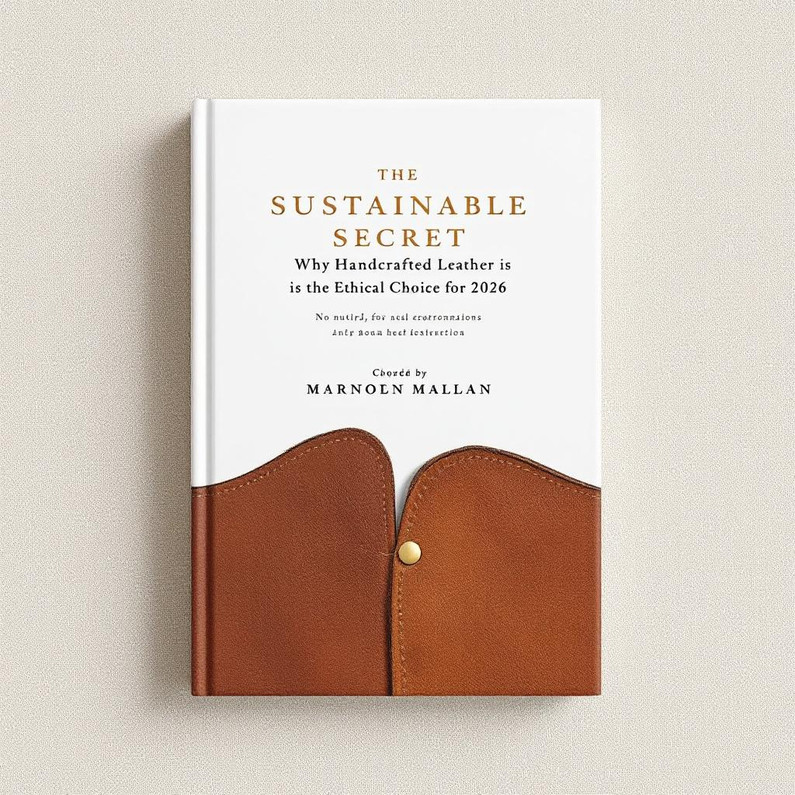
The Sustainable Secret: Why Handcrafted Leather is the Ethical Choice for 2026
As we move into 2026, the global fashion conversation has shifted. Consumers are no longer just asking "How does it look?" but "How was it made?" and "How long will it last?" In a world increasingly concerned with environmental impact, the choice between "Vegan" (synthetic) leather and Genuine Handcrafted Cow Leather is often misunderstood.
At Craftihouse, sustainability isn't a marketing buzzword; it is baked into our artisanal process. Here is why choosing a handcrafted leather bag is one of the most ethical style decisions you can make this year.
1. The "Longevity" Equation (Slow Fashion)
The greatest threat to our planet is the culture of disposability. "Fast Fashion" accessories are designed to be replaced every few months.
-
Handcrafted Endurance: A Craftihouse 19x16cm bag is built for a decade, not a season. By investing in one high-quality piece that lasts 10 years instead of buying five synthetic bags that end up in a landfill, you are significantly reducing your personal carbon footprint.
-
The Heirloom Effect: Because our bags are designed to be timeless, they are often passed down, further extending the life cycle of the product.
2. Natural vs. Plastic "Leather"
Many "Vegan" leathers are actually PVC or Polyurethane—essentially plastics derived from fossil fuels that do not biodegrade and shed microplastics into the ocean.
-
Biodegradability: Genuine cow leather is a natural byproduct. At the end of its long life (which can be 20-30 years with care), it eventually returns to the earth.
-
Responsible Sourcing: We source our hides from suppliers who prioritize ethical treatment and use traditional tanning methods that minimize harsh chemical runoff, preserving the natural "grain" of the hide.
3. Supporting Human Artistry, Not Machines
Sustainability also includes Social Responsibility. Mass production relies on high-speed machinery and often opaque labor practices.
-
Preserving Heritage: When you buy a hand-painted or hand-stitched bag from our Dubai gallery, you are directly supporting the livelihoods of master artisans.
-
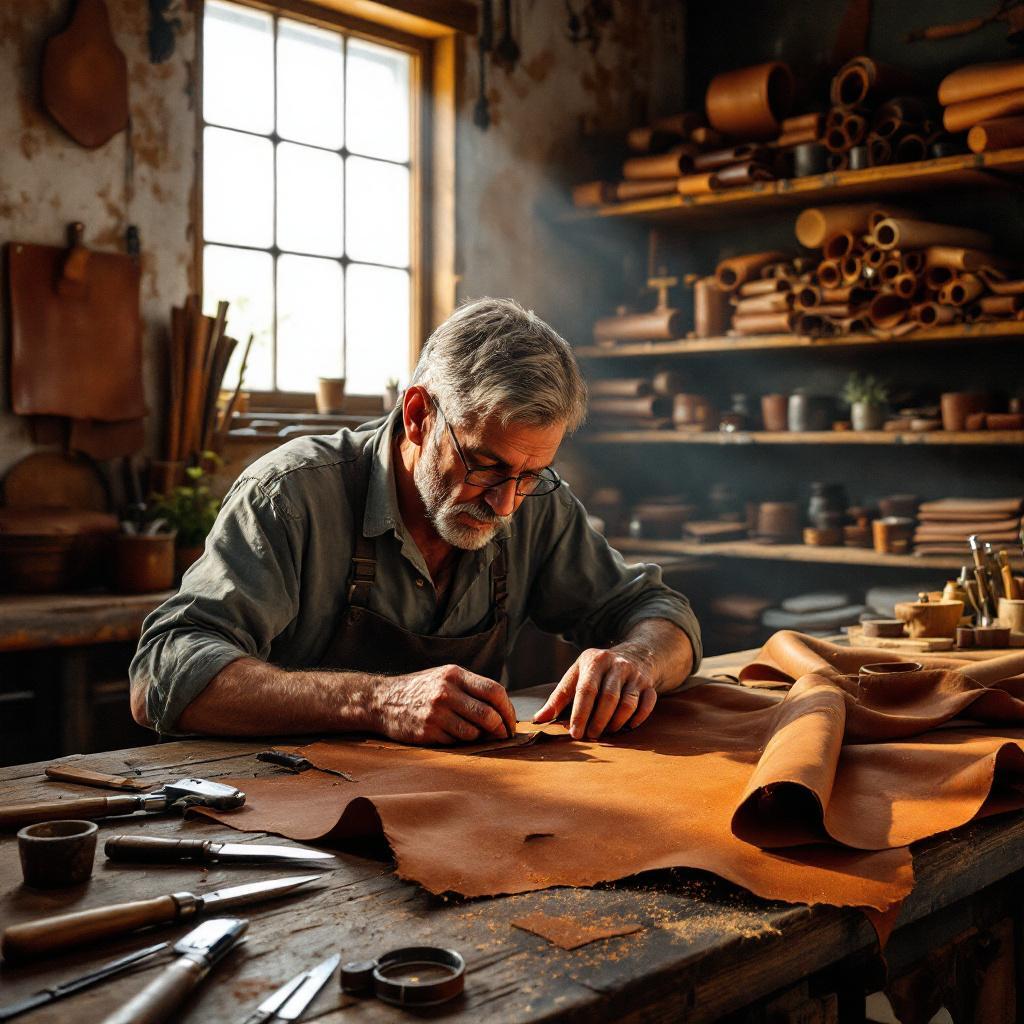
Fair Wages: Artisanal production is inherently "slow." Because it takes 30+ hours to create one piece, we ensure that the value of that time is reflected in the artisan's compensation, helping to keep ancient crafts like Minakari and Nigari alive for the next generation.
4. The Beauty of Minimalist Utility
For 2026, the trend is "Essentialism." By choosing a versatile, 19cm silhouette in a neutral Camel Tan or Emerald Green, you reduce the need for a massive collection of "single-use" bags. Our bags are designed to work across your entire wardrobe, encouraging a "Capsule Collection" mindset that is the cornerstone of sustainable living.
Join the Conscious Collection
Luxury in 2026 is defined by a clear conscience. When you carry Craftihouse, you carry a story of respect—for the animal, for the artist, and for the planet.
Make a choice that lasts. Shop the Sustainable Leather Collection or Learn more about our Artisan Partners in the UAE and beyond.
Recent Posts
-
Sustainable Splendor: The Eco-Friendly Soul of Handcrafted Art
In an era of fast fashion and mass-produced home decor, the environmental cost of our "stuff" has ne …31st Dec 2025 -

The Art of Diplomacy: Why Handcrafted Heritage is the Language of Dubai’s Protocol
In the world of international relations and government protocol, a gift is never "just a gift." It i …31st Dec 2025 -

The Psychology of Appreciation: Using Bespoke Art to Retain Top Talent in Dubai
In the high-speed corporate environment of Dubai, where the global hunt for talent is relentless, a …31st Dec 2025